|
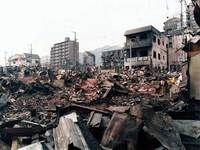
When disasters hit, people are forced to compete
for scarce resources and find themselves quickly back to the basic necessities
of life. Shelter is one of the primary needs and Zipflat can be one of the
most effective solutions. Alternatives like tents are poor substitutes for
the protection of a permanent house and portable trailers are expensive to
transport and typically contrast perceptions of what a house should look like.
This very topic recently came up in Geneva where
a consortium of first responders including Red Cross, World Vision and Habitat
for Humanity collaborated to identify solutions. Building their wish, or needs,
list, they felt that the key elements are shelter that can be built quickly,
economically, and provide protection. They felt some kind of a
transitional house was important and if it allowed residents to collaboratively
rebuild, it created a stronger community, along with increasing their cultural
and family ties.
Zipflat was designed as the best transitional
house solution. Providing exceptional protection from the elements, low in
cost and using local labor are just some of the benefits Zipflat brings to the
solution.
Easy to Build
• Pop-open, snap together, and pour the
foam
• Uses simple handtools
• Simple assembly steps that any laborer can
follow
• Erect a 102 sf house, dried in, in several hours
Extreme Protection from the Elements
• Earthquake resistant
• Uses no large wood, metal, or cement/stone/brick materials
• Various
anchoring methods for wind resistance
Highly Insulated
• R-25 insulation factor for walls and roof
• Solid state construction with
closed cell foam makes it virtually leak proof
Flexible Designs
• Custom floor plans available
• Standard units are 102 sf and can be easily
stacked for larger floor plans
• Walls initially open to allow for easy
insertion of conduit, plumbing or other in-wall items
Competitive
Advantage
• Keeps families together
• Real protection from the
elements
• Expandable to meet the privacy needs of a family
• Very fast to
build
• No power tools or equipment needed
|


|
|
Life Before
ZipFlat |
Life After ZipFlat |
-
Families are housed in tents that are disposed off later
|
-
Families housed in permanent composite homes
|
-
Emergency housing is not available due to remote access issues or poor weather
|
-
ZipFlat can be air dropped into almost any location and can be erected in less
than optimal conditions
|
-
Expensive, labor-intensive buildings that often take years to complete
|
-
Ability to build hundreds of permanent houses in a few hours with limited sized
crews
|
-
Imported housing often is rejected because it does not resemble local housing
aesthetics and materials
|
-
ZipFlat is a "blank canvas" that allows for customizing the design
| |


| |





